 Organizacja żywienia zbiorowego w placówkach ochrony zdrowia
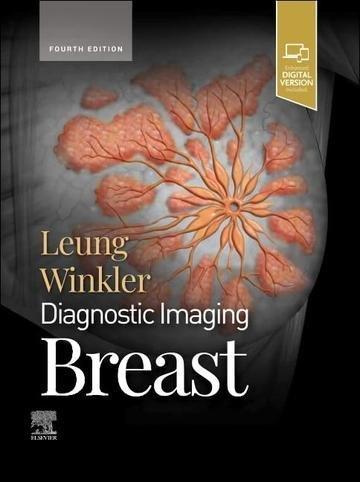
Diagnostic Imaging. Breast
Wydawca: Elsevier
An English-language visual reference to breast imaging, covering anatomy, protocols, BI-RADS, symptoms, biopsy, localization, staging, treatment planning, screening guidance, and multidisciplinary care.
Gdzie kupić: ebook, audiobook
Epub, Mobi, PDF, MP3
The fourth edition is a comprehensive visual reference to breast imaging for general radiologists, breast-imaging specialists, trainees, oncologists, pathologists, and other members of multidisciplinary breast-care teams. It covers the field from normal anatomy and variants to diagnostic assessment, image-guided procedures, staging, treatment planning, and follow-up. Short, focused chapters and a bullet-based layout are designed to make essential information available during everyday clinical work.
The book reviews the physical principles and practical performance of the major imaging methods, including mammography, ultrasound, and breast MR. Normal findings and common variants provide a basis for recognizing disease. Protocol discussions explain how acquisition choices affect visibility and interpretation, while comparisons across modalities show how the same anatomic area may appear in different studies.
Breast symptoms such as a palpable lump, nipple discharge, or axillary adenopathy are approached through clinical context and appropriate imaging pathways. The text helps readers characterize findings, build a differential diagnosis, and decide when additional views, another modality, short-term follow-up, or tissue sampling is needed. Diagnostic checklists at chapter level encourage a consistent review before a conclusion is reported.
Techniques for image-guided biopsy and preoperative localization are described in practical terms. The discussion includes choosing an approach, correlating imaging with pathology, and recognizing discordance that requires further action. Imaging is also considered in determining the extent of disease, an important step in planning surgery and other treatment.
The volume connects diagnosis with contemporary breast cancer care. It summarizes principles of surgery, oncoplastic procedures, radiation therapy, and systemic treatment so that imaging findings can be understood within the decisions made by a multidisciplinary team. Updated information from professional organizations is incorporated together with discussion of evolving medical, surgical, and radiation strategies, ongoing trials, and future directions.
Current BI-RADS concepts are integrated throughout relevant chapters. Standardized terminology, assessment categories, and management recommendations support clear communication and consistent reporting. The edition also addresses federal screening guidance issued in 2024, including measures intended to improve equity and access. Screening is therefore discussed not only as image interpretation but also as a system affecting who receives timely assessment.
The visual component includes more than four thousand high-quality images and illustrations in print. Cases demonstrate a broad range of findings across modalities and help readers evaluate both typical and atypical presentations. The electronic edition adds more than fifty-six hundred images and videos, permitting further comparison and review beyond the examples selected for the printed pages.
A consistent format organizes terminology, characteristic appearances, differential diagnoses, and relevant pathological or clinical considerations. Readers can move quickly from an observed feature to possible explanations and then to the evidence needed to narrow them. Updated references accompany the chapters, allowing more detailed investigation of areas that are changing rapidly.
The reference is suitable for learning at several levels. Trainees can use it to build a systematic understanding of breast anatomy, protocols, and disease patterns. Experienced clinicians can consult focused sections during case review, procedure planning, or multidisciplinary discussion. Specialists outside radiology can use the image-rich presentation to understand how imaging contributes to diagnosis and treatment.
Across these uses, the central aim is informed decision-making at the point of care. The book combines visual pattern recognition with structured assessment, technical knowledge, pathological correlation, and awareness of treatment implications. This integrated approach reflects the reality that breast imaging is not an isolated test but part of a continuing process from screening or symptoms through diagnosis, therapy, and surveillance.
Dodatkowe informacje
Kategoria: Medycyna
Wydawca: Elsevier
Data pierwszego wydania: 1 stycznia 2027
Liczba stron: 1368
Tytuł oryginalny: Diagnostic Imaging. Breast
ISBN: 9780443284472
Język: en
Okładka: Twarda
Wydanie: 4
Reklama
Komentarze i recenzje
Zaloguj się, aby dodać komentarz lub ocenę.
Inne książki autorów
Brak innych książek tego autora.
Inne książki w tej kategorii
Organizacja żywienia zbiorowego w placówkach ochrony zdrowia
 Zaburzenia hormonalne u dzieci i młodzieży. Aspekty praktyczne dla pediatrów i lekarzy rodzinnych
 Nowotwory głowy i szyi. Tom 2
 Nowotwory głowy i szyi. Tom 1
 Rezonans magnetyczny serca
Reklama
Brak ocen, komentarzy i recenzji.